Inductive reasoning

Definition and stakes

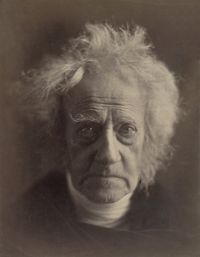
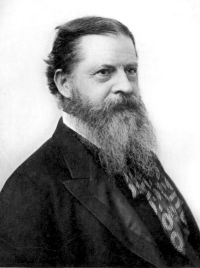
Portrait of John Stuart Mill John Stuart Mill,  A System of Logic: Ratiocinative and Inductive…

“ This mode of expression, exhibiting as the type of all reasoning from experience "The men A, B, C, &c. are so and so, therefore any man is so and so," would much better manifest the true idea—that inductive reasoning is always, at bottom, inference from particulars to particulars, and that the whole function of general propositions in reasoning, is to vouch for the legitimacy of such inferences. ”
Source: Gutenberg

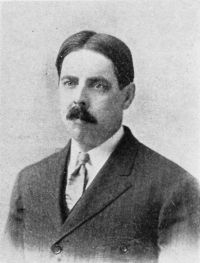
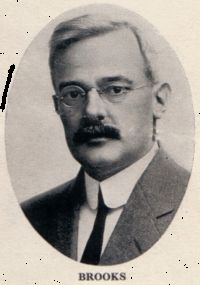
Portrait of Stratton D. Brooks Stratton D. Brooks,  Composition-Rhetoric

“ Each conclusion carries with it, however, the weakness of the premises on which it is based, and as these premises are general principles that have been themselves established by inductive reasoning, the conclusions of deductive reasoning can be no more sure than those of inductive reasoning. Each may prove only that the proposition is probably true rather than that it is surely true, though in many cases this probability becomes almost a certainty. ”
Source: Gutenberg

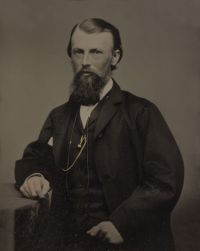
Portrait of William Stanley Jevons William Stanley Jevons,  The principles of science

“ All inductive reasoning is but the inverse application of deductive reasoning. Being in possession of certain particular facts or events expressed in propositions, we imagine some more general proposition expressing the existence of a law or cause; and, deducing the particular results of that supposed general proposition, we observe whether they agree with the facts in question. Hypothesis is thus always employed, consciously or unconsciously. ”
Source: Gutenberg

Get perspective with Kwize: daily news enlightened by great literature