Kitchen maid

Definition and stakes

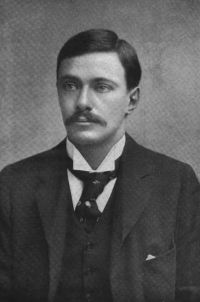
Portrait of P. G. Wodehouse P. G. Wodehouse,  Something New

“ Kitchen maids and scullery maids eat in the kitchen. Chauffeurs, footmen, under-butler, pantry boys, hall boy, odd man and steward's-room footman take their meals in the servants' hall, waited on by the hall boy. The stillroom maids have breakfast and tea in the stillroom, and dinner and supper in the hall. The housemaids and nursery maids have breakfast and tea in the housemaid's sitting-room, and dinner and supper in the hall. The head housemaid ranks next to the head stillroom maid. ”
Source: Gutenberg

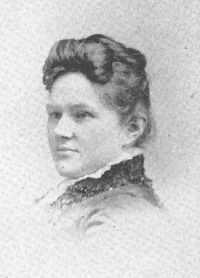
Portrait of Abraham Myerson Abraham Myerson,  The Nervous Housewife

“ The discarding of most of the puddings, roasts, fancy dishes that take much time in the preparation and that keep the housewife in the kitchen would not only save the housewife but would also be of great benefit to her husband. The cult of hearty eating, which results in keeping a woman (mistress or maid) in the kitchen for three or more hours that a man may eat for twenty or thirty minutes is folly. The type of meal that either takes only a short time for preparation and devices which render the attention of the housewife unnecessary are ethical and healthy, both for the family and society. ”
Source: Gutenberg

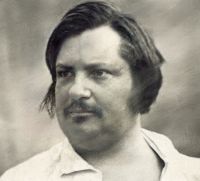
Portrait of Honoré de Balzac Honoré de Balzac,  Cousin Betty (1846)

“ The young people and the Baroness lauded the model father to the skies, forgetting the death of the two uncles. Life cannot go on without much forgetting!
Madame Victorin, who managed this enormous household with great skill, due, no doubt, to Lisbeth's training, had found it necessary to have a man-cook. This again necessitated a kitchen-maid. Kitchen-maids are in these days ambitious creatures, eager to detect the chef's secrets, and to become cooks as soon as they have learnt to stir a sauce. Consequently, the kitchen-maid is liable to frequent change.
”
Source: Wikisource

Get perspective with Kwize: daily news enlightened by great literature