Lady of fashion

Definition and stakes

active 19th century Lady of distinction The Mirror of the Graces (1831)

Nature having maintained a harmony between the figure of woman and her years, it is decorous that the consistency should extend to the materials and fashion of her apparel. For youth to dress like age, is an instance of bad taste seldom seen. But age, affecting the airy garments of youth, the transparent drapery of Cos, and the sportiveness of a girl, is an anachronism as frequent as it is ridiculous.
Virgin, bridal Beauty, when she arrays herself with taste, obeys an end of her creation—that of increasing her charms in the eyes of some virtuous lover, or the husband of her bosom.
Source: Gutenberg

active 19th century Lady of distinction The Mirror of the Graces (1831)

Without dress a handsome person is a gem, but a gem that is not set.’ Dress, however, must be subject to certain rules; be consistent with the graces, and with nature. By attention to these particulars, is produced that agreeable exterior which pleases, we know not why,—which charms, even without that first and powerful attraction, beauty.
Fashion, in her various flights, frequently soars beyond the reach of propriety. Good sense, taste, and delicacy, then make their appeal in vain.
Source: Gutenberg

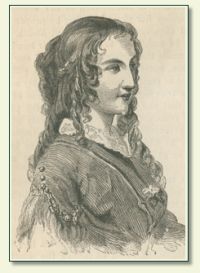
Portrait of Maria Edgeworth Maria Edgeworth The Absentee (1812)

Lady Dashfort forced her way, and she set the fashion: fashion, which converts the ugliest dress into what is beautiful and charming, governs the public mode in morals and in manners; and thus, when great talents and high rank combine, they can debase or elevate the public taste.
Source: Wikisource

Get perspective with Kwize: daily news enlightened by great literature