Left-handedness

Definition and stakes

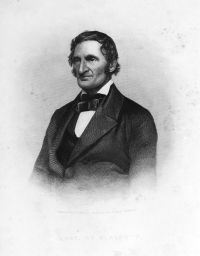
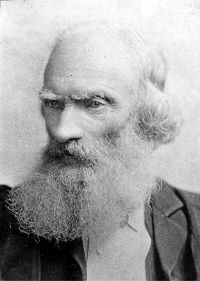
Portrait of Sir Daniel Wilson Sir Daniel Wilson,  The right hand (1891)

“ No theory is worthy of serious consideration which deals with left-handedness as an exceptional deviation from habitual action; as where, in his earlier treatise, Dr. Buchanan expressed the belief that many instances of left-handedness are “merely cases of ambidextrousness, when the habit of using the left side, in whatever way begun, has given to the muscles of that side such a degree of development as enables them to compete with the muscles of the right side, in spite of the mechanical disadvantages under which they labour.” ”
Source: Gutenberg

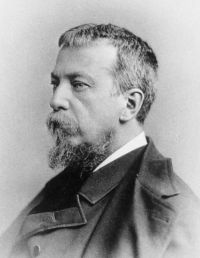
Portrait of Havelock Ellis Havelock Ellis,  The Criminal

“ It seems that sufficient care has not yet been taken to determine what constitutes left-handedness. The relative strength of the two hands is not enough to decide this, for mancinism, or left-sidedness, is a matter of relative skill as well as of relative strength. It is quite possible for a person to be left-handed in some respects, right-handed in others; thus (as happens to be the case with the present writer) he may be right-handed in regard to all those actions which are exercised habitually and socially, or which are the result of training, and left-handed in all other respects. ”
Source: Gutenberg

Various,  Popular Science Monthly (1887)

“ Daniel Wilson, of University College, Toronto, said in a paper read before the Royal Society of Canada, that he had concluded, after long research and discussion, that left-handedness is due to an exceptional development of the right hemisphere of the brain. Being left-handed himself, he hopes that when he is dead his own brain may be examined for the help it may give in settling this question. ”
Source: Wikisource

Get perspective with Kwize: daily news enlightened by great literature