Leg of mutton

Definition and stakes

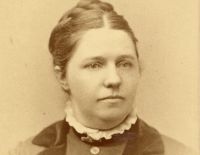
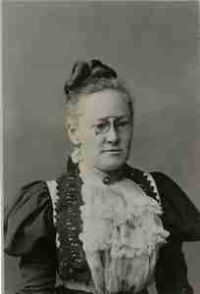
Portrait of Fannie Farmer Fannie Farmer,  Boston Cooking-School Cook Book (1918)

“ If the outside skin comes off easily, mutton is sure to be good. Lamb chops may be easily distinguished from mutton chops by the red color of bone. As lamb grows older, blood recedes from bones; therefore in mutton the bone is white. In leg of lamb the bone at joint is serrated, while in leg of mutton the bone at joint is smooth and rounded. Good mutton contains a larger proportion of fat than good beef. Poor mutton is often told by the relatively small proportion of fat and lean as compared to bone. ”
Source: Wikisource

Mrs. Beeton,  The Book of Household Management

“ The legs of this mutton range from 7 to 11 lbs. in weight; the shoulders, necks, or loins, about 6 to 9 lbs.; and if care is taken not to purchase it; the shoulders, necks, or loins, about 8 to 9 lbs.; and it cure is taken not to purchase it too fat, it will be found the most satisfactory and economical mutton that can be bought.
BRAISED LEG OF MUTTON. 708. INGREDIENTS.—1 small leg of mutton, 4 carrots, 3 onions, 1 faggot of savoury herbs, a bunch of parsley, seasoning to taste of pepper and salt, a few slices of bacon, a few veal trimmings, 1/2 pint of gravy or water.
”
Source: Gutenberg

Various,  Blackwood's Edinburgh Magazine…

“ Of black-faced mutton it makes a fine roast, and the piece of fat in it called the pope's eye, is considered a delicate morceau by epicures. A gigot of Leicester, Cheviot, or Southdown mutton makes a beautiful 'boiled leg of mutton,' which is prized the more the fatter it is, as this part of the carcass is never overloaded with fat. The loin is almost always roasted, the flap of the flank being skewered up, and it is a juicy piece. For a small family, the black-faced mutton is preferable; for a large, the Southdown and Cheviot. ”
Source: Gutenberg

Get perspective with Kwize: daily news enlightened by great literature