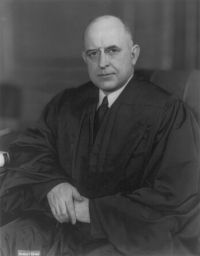
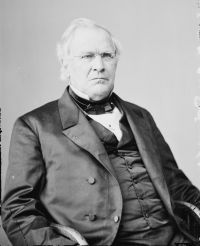
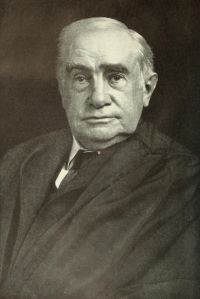
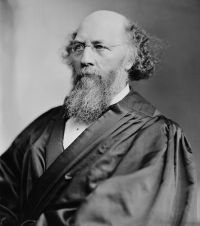
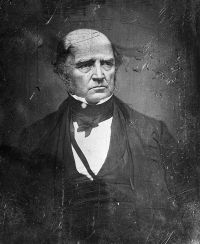
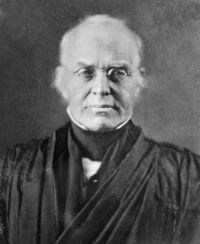
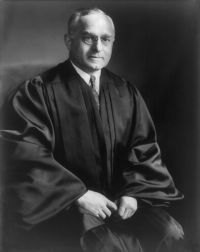
Legal error refers to a mistake in legal proceedings, interpretation, or the application of law, often subject to close examination in judicial settings. This topic has been explored by many legal scholars, including John Marshall Harlan, who observed that errors in general law pertain to non-federal matters, and Sir John W. Salmond, who differentiated between civil and criminal wrongs in jurisprudence.
Remarks from figures such as Robert H. Jackson and Nathan Clifford underscore the careful handling of errors in court decisions, highlighting their potential to cause harm or be of minimal consequence. The idea is closely linked to related concepts such as appeals, writs of error, and judicial accountability, illustrating the intricate balance between legal accuracy and human imperfection.