Motor carrier

Definition and stakes

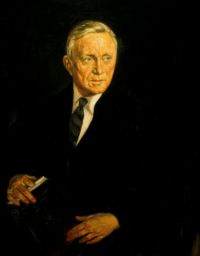
Portrait of William O. Douglas William O. Douglas,  United States v. Carolina Freight Carriers Corporation…

“ Congress by the Motor Carrier Act of 1935 cast upon the Commission the task of regulating the motor carrier industry. By the enactment, Congress asserted that the public interest in the motor carrier enterprise had become paramount to private interests. The highly individualistic nature of the business and the easy terms upon which equipment could be obtained had promoted a quick growth accompanied by intense and uneconomic competition, both within itself and with other transportation systems. ”
Source: Wikisource

Portrait of William O. Douglas William O. Douglas,  Interstate Commerce Commission v…

“ For we must remember that Congress has chosen in the Motor Carrier Act to regulate motor transportation not by the forces of competition but by impartial administration through an expert body. No doubt contract carriage is frequently preferred by shippers for the advantages, chiefly in flexibility of operations, that it may hold over available common carriage. ”
Source: Wikisource

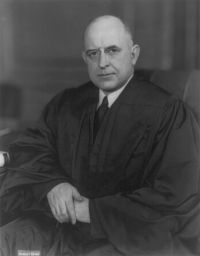
Portrait of Stanley Forman Reed Stanley Forman Reed,  United States v. Rock Island Motor Transit Company…

“ At present a motor service is auxiliary and supplemental to rail service, in the Commission's view, when the railroad-affiliated motor carrier in a subordinate capacity aids the railroad in its rail operations by enabling the railroad to give better service or operate more cheaply rather than independently competing with other motor carriers. ”
Source: Wikisource

Get perspective with Kwize: daily news enlightened by great literature