National dress

Definition and stakes

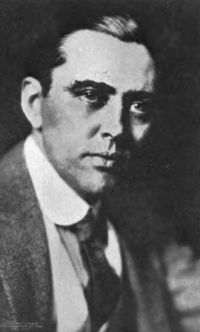
Portrait of Julian Street Julian Street,  Mysterious Japan

“ More than thirty years ago, when the craze for everything foreign was at its height, when the whole fabric of social life in the upper world was in process of radical change, European dress became fashionable not only for men but for women. When great ladies had worn it for a time their humbler sisters took it up, and one might have thought that the national costume, which is so charming, was destined entirely to disappear. ”
Source: Gutenberg

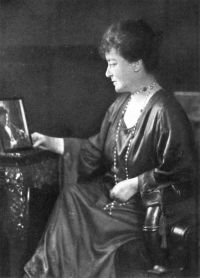
Portrait of Eliza Davis Aria Eliza Davis Aria,  Costume: Fanciful, Historical, and Theatrical… (1906)

“ The only difference between the dress of women of the upper and lower classes was the employment of cotton instead of silk.
Despite the fact that European influence has done much towards imposing European costume upon the Japanese, the influence is as yet restricted to Tokio and other industrial centres. In rural districts the national dress is still sacred, and the country-man remains a quaintly picturesque figure to delight the visitor from across seas, who recognises in him the prototype of the carved ivory models of the glass cabinet and curio table.
”
Source: Wikisource

Portrait of Isabel Florence Hapgood Isabel Florence Hapgood,  Russian Rambles

“ Some indulgent mothers make silk blouses for their sons, and embroider them with cross-stitch patterns in colored floss, as was the fashion a number of years ago, when a patriotic outburst of sentiment was expressed by the adoption of the "national costume," for house wear, by adults of both sexes. From this period dates also, no doubt, that style of "peasant dress" which can be seen occasionally, in unfashionable summer resorts, on girls not of the highest class by any means, and which the city shops furnish in abundance as genuine to misguided foreigners. ”
Source: Gutenberg

Get perspective with Kwize: daily news enlightened by great literature