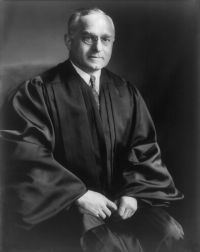
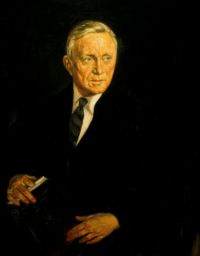
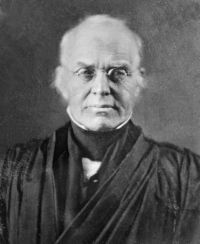
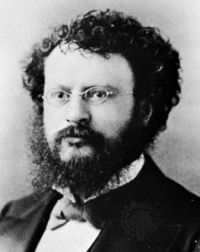
National legislation refers to the laws created by a sovereign state's legislative body, forming the basis of governance and legal order. Scholars such as George Ticknor Curtis emphasized its democratic origins, arguing that legislative power must stem directly from the people's will. Jonathan Elliot focused on its function in reconciling state and federal jurisdictions, while Felix Frankfurter emphasized Congress's legislative intent as a flexible benchmark for judicial interpretation.
Joseph Story highlighted the importance of balanced legislative oversight, and John Fiske imagined a dual legal system in which federal and state laws operate in harmony. These viewpoints together illustrate national legislation as both a structural framework and a continually evolving manifestation of political sovereignty.