Naturalization (botany)

Definition and stakes

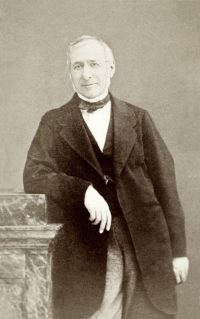
Portrait of Robert Wight Robert Wight,  Illustrations of Indian Botany… (1840)

“ Whether attemps for their naturalization will ever so far succeed on the plains as to render us independent of more temperate climates for our supplies of seed, is a question still to be solved, but one, the solution which, when we consider their value to mankind, ought not to be readily relinquished, even though the chances against success, appear to preponderate. ”
Source: Wikisource

Asa Gray,  The Elements of Botany, For Beginners and For Schools

“ By selecting those individuals of a species which have developed or inherited any desirable peculiarity, keeping them from mingling with their less promising brethren, and selecting again the most promising plants raised from their seeds, the cultivator may in a few generations render almost any variety transmissible by seed, so long as it is cared for and kept apart. In fact, this is the way the cultivated domesticated races, so useful to man, have been fixed and preserved. Races, in fact, can hardly, if at all, be said to exist independently of man. ”
Source: Gutenberg

Hints to Travellers, Scientific and General…

“ In most countries, as already remarked, the truly indigenous, and often the rarest, species are to be found only in the mountains at considerable elevations and in the primitive forests, the products of cultivated districts being nearly all widely distributed and well known. In Botany a traveller, if obliged to restrict his collecting, might confine himself to those plants which are remarkable for their economic uses; always taking care to identify the flowers of the tree or shrub whose root, bark, leaves, wood, etc., are used by the natives, and to preserve a few specimens of them. ”
Source: Gutenberg

Get perspective with Kwize: daily news enlightened by great literature