The organ grinder, a street performer who operated a hand-cranked mechanical organ, emerged as a 19th-century figure in urban settings, merging music, movement, and social critique. Historically associated with barrel organs and often accompanied by monkeys, the grinder’s role shifted from a novelty to a symbol of both cultural inclusion and legal debate.
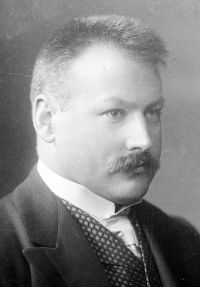
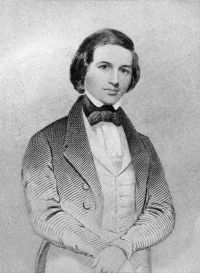
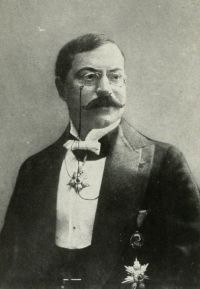
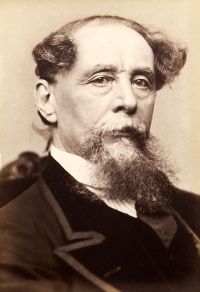
Authors like James Dabney McCabe emphasized the grinder’s harmless, child-friendly presence, while others, such as Emil Abderhalden, examined the biological "organs" in medical contexts, highlighting the term’s dual meaning. Although the concept spans mechanical devices and bodily structures, its literary treatment reflects broader societal views on labor, art, and the human form. The organ grinder’s influence persists as a link between transient street performance and the lasting study of organic systems.