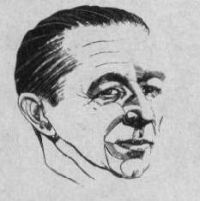
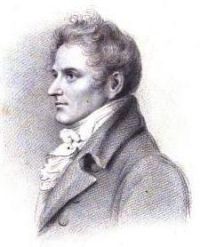
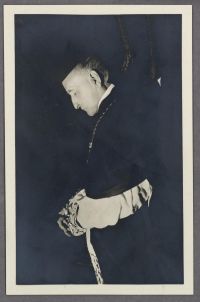
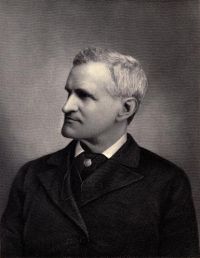
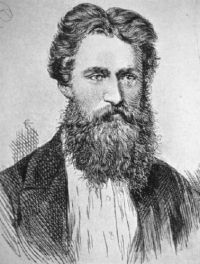
The term "pariah" refers to an individual or group excluded by society, typically because of perceived impurity, difference, or wrongdoing. Writers have long engaged with this theme, examining its complexities through various perspectives. John Cowper Powys explores the psychological dimensions of pariahs, questioning assumptions about their marginalized positions, while Thomas De Quincey connects the term to historical admiration for Aesop, a figure once regarded as a pariah.
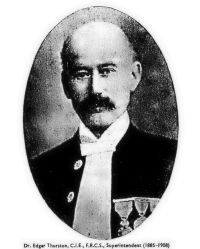
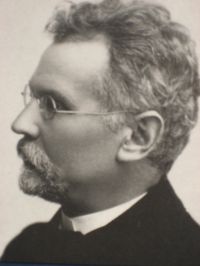
Murray Leinster envisions a science fiction world where outcasts are biologically identified, contrasting with Edgar Thurston’s portrayal of Indian outcasts in ritualistic settings. Bolesław Prus investigates ancient Egyptian social structures, where even priests are cast in a position akin to pariahs, and ʻAbdu'l-Bahá challenges prejudice, promoting unity. These differing perspectives highlight the concept's lasting significance across cultures, from caste systems to profound feelings of isolation.
 John Cowper Powys,
Wood and Stone: A Romance
John Cowper Powys,
Wood and Stone: A Romance