Philosophy of nature

Definition and stakes

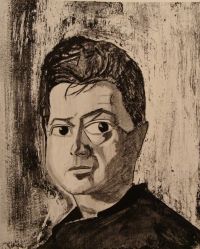
Portrait of Ralph Waldo Emerson Ralph Waldo Emerson Nature (1836)

Philosophically considered, the universe is composed of Nature and the Soul. Strictly speaking, therefore, all that is separate from us, all which Philosophy distinguishes as the not me, that is, both nature and art, all other men and my own body, must be ranked under this name, Nature.
Source: Wikisource

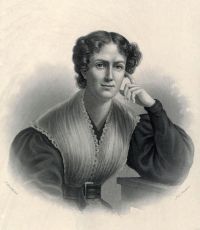
Duchess of Margaret Cavendish Newcastle Philosophical Letters: or, modest Reflections upon some Opinions in Natural Philosophy

I pray, Nature being Infinite, What figures and sizes may there not be, which our eyes with all the help of Art are not capable to see? for certainly, Nature hath more curiosities then our exterior senses, helped by Art, can perceive: Wherefore I cannot wonder enough at those that pretend to know the least or greatest parts or creatures in Nature, since no particular Creature is able to do it. But concerning Artists, you would fain know, Madam, whether the Artist be beholden to the conceptions of the Student?
Source: Gutenberg

Duchess of Margaret Cavendish Newcastle Philosophical Letters: or, modest Reflections upon some Opinions in Natural Philosophy

In brief, it makes all that is to be made in Nature. But many great Philosophers conceive Nature to be fuller of Intricacy, Difficulty, and Obscurity, then she is, puzling themselves about her ordinary actions, which yet are easie and free, and making their arguments hard, constrained, and mystical, many of them containing neither sense nor reason; when as, in my opinion, there is nothing else to be studied in Nature, but her substance and her actions.
Source: Gutenberg

Get perspective with Kwize: daily news enlightened by great literature