Plagioclase

Definition and stakes

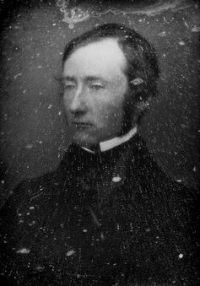
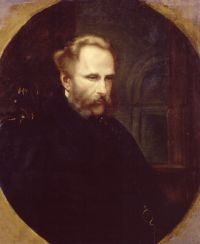
Portrait of Archibald Geikie Archibald Geikie,  The Ancient Volcanoes of Great Britain… (1897)

“ I will only say that the rock is unquestionably a granite, with no essential differences from many other bosses regarding which there has been no controversy. It is a holocrystalline rock with a thoroughly granitic texture, and composed of the ordinary minerals of granite—quartz, orthoclase and plagioclase, among which a green chloritic mineral, more or less plentiful, probably represents original hornblende, biotite or augite. Sometimes the quartz and felspar in the body of the rock show a micropegmatitic arrangement, and the same structure occurs in veins that traverse it. ”
Source: Gutenberg

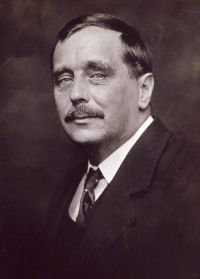
Portrait of Alexander William Kinglake Alexander William Kinglake,  Eothen; with an Introduction and Notes

“ With all that is most truly Oriental in its character the plague is associated; it dwells with the faithful in the holiest quarters of their city. The coats and the hats of Pera are held to be nearly as innocent of infection as they are ugly in shape and fashion; but the rich furs and the costly shawls, the broidered slippers and the gold-laden saddle-cloths, the fragrance of burning aloes and the rich aroma of patchouli—these are the signs that mark the familiar home of plague. ”
Source: Gutenberg

T. F. Tout,  The history of England, from the accession of Henry III. to the death of Edward III.…

“ One day a man was healthy: within a few hours of the appearance of the fatal swelling, or of the dark livid marks which gave the plague its popular name, he was a corpse. The pestilence seemed to single out the young and robust as its prey, and to spare the aged and sick. The churchyards were soon overflowing, and special plague pits had to be dug where the dead were heaped up by 372the hundred. Comparatively few magnates died, but the poor, the religious, and the clergy were chief sufferers. ”
Source: Gutenberg

Get perspective with Kwize: daily news enlightened by great literature