Playing cards

Definition and stakes

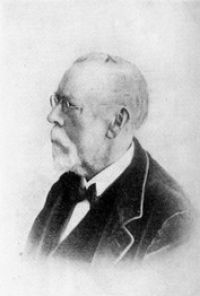
Portrait of John Nevil Maskelyne John Nevil Maskelyne,  Sharps and Flats

“ Probably it was at no very recent date in the history of card-playing that some genius first recognised the advantage which would accrue to a player who could devise some means of placing a distinctive mark on the back of each card, imperceptible to all but himself, to indicate its suit and value. Every card-player must at some time or other have exclaimed mentally, 'Oh, if I only knew what cards my opponents hold!' There one has, then, the origin of marked cards. The sharp, above all others, desires to know his opponent's cards. ”
Source: Gutenberg

Thomas Wright,  A History of Domestic Manners and Sentiments in England During the Middle Ages

“ The mediæval games were gradually superseded by a new contrivance, that of playing-cards, which were introduced into Western Europe in the course of the fourteenth century. It has been suggested that the idea of playing-cards was taken from chess—in fact, that they are the game of chess transferred to paper, and without a board, and they are generally understood to have been derived from the East. Cards, while they possessed some of the characteristics of chess, presented the same mixture of chance and skill which distinguished the game of tables. ”
Source: Gutenberg

Get perspective with Kwize: daily news enlightened by great literature