Polenta, a staple dish made from cornmeal, has long symbolized the agrarian heart of Central European cuisine. Authors like Douglas William Freshfield vividly depicted its communal preparation, while Freiherr von Karl Ludwig Pöllnitz observed its prevalence in Polish feasting, though he noted its simplicity in culinary terms.
Leon Dominian traced polenta’s origins to Poland’s fertile lowlands, presenting it as a fundamental element of the nation’s historical sustenance. These perspectives intertwine food, geography, and cultural identity, illustrating how polenta goes beyond mere nourishment to serve as a means of understanding regional heritage and societal dynamics.
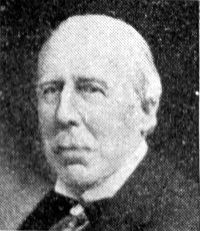 Douglas William Freshfield,
Italian Alps
Douglas William Freshfield,
Italian Alps