Political morality

Definition and stakes

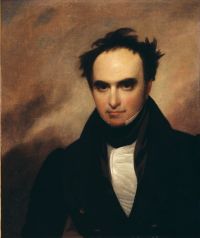
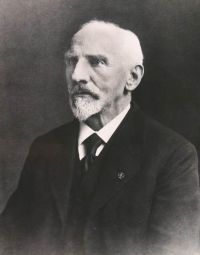
Portrait of Theodore Parker Theodore Parker,  The Collected Works of Theodore Parker (1875)

“ He must preach on politics, not as the representative of a party but of mankind, and report not the mean counsels of a political economy, which consults for one party or one nation, for one day alone, but declare the sublime oracles of political morality, which looks to the welfare of all parties, all nations, and throughout all time. He must know no race but the human, no class but men and women, no ultimate lawgiver but God, whose statute book is the world of matter and the world of men—justice the sole finality. ”
Source: Wikisource

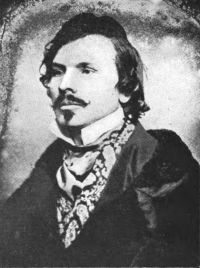
Portrait of Ralph Waldo Emerson Ralph Waldo Emerson,  Miscellanies (1878)

“ I hope it is not a fatal objection to this policy that it is simple and beneficent thoroughly, which is the tribute of a moral action. An unprecedented material prosperity has not tended to make us Stoics or Christians. But the laws by which the universe is organized reappear at every point, and will rule it. The end of all political struggle is to establish morality as the basis of all legislation. It is not free institutions, it is not a republic, it is not a democracy, that is the end,—no, but only the means. Morality is the object of government. ”
Source: Gutenberg

Get perspective with Kwize: daily news enlightened by great literature