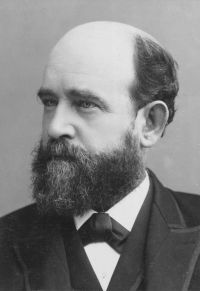
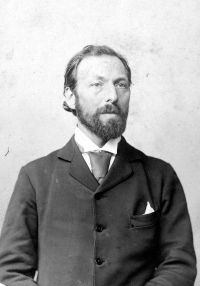
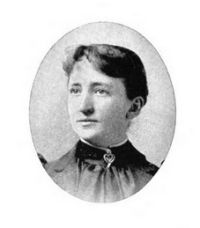
The "poverty line" represents an economic benchmark that separates individuals with adequate resources from those experiencing deprivation. Scholars such as Henry George connected ongoing poverty to land monopolies and uneven distribution of wealth, while L. T. Hobhouse pointed out that being near this threshold impacts a large segment of the population over time. L. G.
Chiozza Money criticized systemic disparities, observing that millions endure "degrading poverty" even in wealthy nations, and Thomas Cool noted how welfare initiatives can mask the real scale of poverty by factoring in unquantified assets. These viewpoints together highlight the poverty line's function as both a measure and a framework for analyzing structural inequalities within economic systems.