Prescription (law)

Definition and stakes

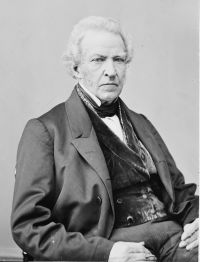
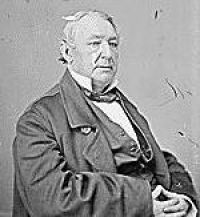
Portrait of Travers Twiss Travers Twiss,  The Oregon Territory, Its History and Discovery

“ What lapse of time is requisite to found a valid title by prescription has not been definitely settled. The law of nature suggests no rule. Where, however, the claimant cannot allege undoubted ignorance on his part, or on the part of those from whom he derives his right, or cannot justify his silence by lawful and substantial reasons, or has neglected his right for a sufficient number of years as to allow the respective rights of the two parties to become doubtful, the presumption of relinquishment will be established against him, and he will be excluded by ordinary prescription. ”
Source: Gutenberg

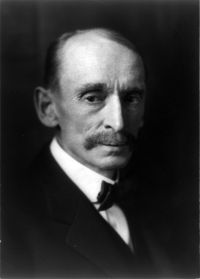
Sir John W. Salmond,  Jurisprudence (1913)

“ Positive prescription, however, is possible only in the case of rights which admit of possession—that is to say, continuing exercise and enjoyment. Most rights of this nature are rights in rem. Rights in personam are commonly extinguished by their exercise, and therefore cannot be possessed or acquired by prescription. And even in that minority of cases in which such rights do admit of possession, and in which positive prescription is therefore theoretically possible, modern law, at least, has seen no occasion for allowing it. ”
Source: Gutenberg

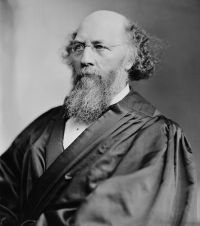
James Williams,  1911 Encyclopædia Britannica (1911)

“ The rights claimable by prescription for the most part consist of rights in alieno solo. The most important are advowsons, tithes, commons, ways, watercourses, lights, offices, dignities, franchises, pensions, annuities and rents. Land or movables cannot be claimed by prescription. The foundation of prescription is the presumption of law that a person found in undisturbed enjoyment of a right did not come into possession by an unlawful act (see Williams, Rights of Common, 3) . ”
Source: Wikisource

Get perspective with Kwize: daily news enlightened by great literature