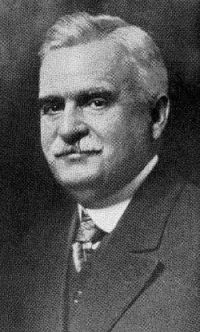
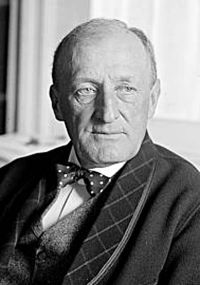
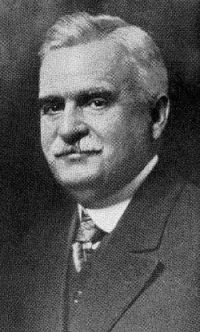
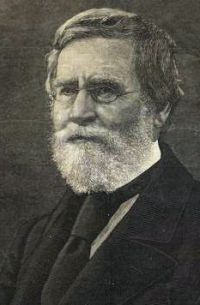
Public transportation refers to shared mobility systems that facilitate the movement of people and goods, including buses, rail, and other related infrastructure. This topic has been examined by a wide range of individuals, from politicians to legal experts, who emphasize its role in society. Warren G. Harding highlighted the importance of fair wages and working conditions in the transportation sector, while Jimmy Carter promoted the expansion of alternatives to private cars.
George R. Chatburn differentiated between primary and secondary forms of transport, emphasizing their mutual reliance. Legislative documents, such as the Americans with Disabilities Act, further underscore the need for equitable access. Taken together, these viewpoints illustrate public transportation as a vital element of economic development, social equity, and infrastructure progress, reflecting both its essential function and the ongoing challenges it faces.
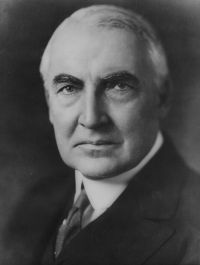 Warren G. Harding,
Second State of the Union Address
(1922)
Warren G. Harding,
Second State of the Union Address
(1922)