Radio license

Definition and stakes

Byron White,  Red Lion Broadcasting Co v. Federal Communications Commission United States…

“ If 100 persons want broadcast licenses but there are only 10 frequencies to allocate, all of them may have the same 'right' to a license; but if there is to be any effective communication by radio, only a few can be licensed and the rest must be barred from the airwaves. It would be strange if the First Amendment, aimed at protecting and furthering communications, prevented the Government from making radio communication possible by requiring licenses to broadcast and by limiting the number of licenses so as not to overcrowd the spectrum. ”
Source: Wikisource

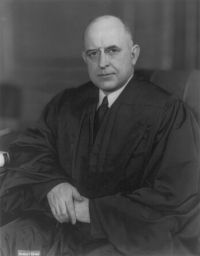
Portrait of Harlan F. Stone Harlan F. Stone,  Columbia Broadcasting System v…

“ With respect to its jurisdiction over matters relating to radio broadcasting, the Communications Commission is essentially a licensing agency. Its regulatory power over the industry is derived, for the most part, from its authority to grant and withhold station licenses. Under § 309 of the Communications Act of 1934 the Commission is required to examine each application for a station license and to determine in each case whether a grant would serve public interest, convenience, or necessity. ”
Source: Wikisource

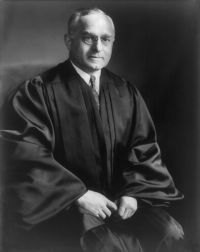
Portrait of Felix Frankfurter Felix Frankfurter,  National Broadcasting Company v…

“ The facilities of radio are limited and therefore precious; they cannot be left to wasteful use without detriment to the public interest. 'An important element of public interest and convenience affecting the issue of a license is the ability of the licensee to render the best practicable service to the community reached by his broadcasts.' Federal Communications Comm. ”
Source: Wikisource

Get perspective with Kwize: daily news enlightened by great literature