Railway fare

Definition and stakes

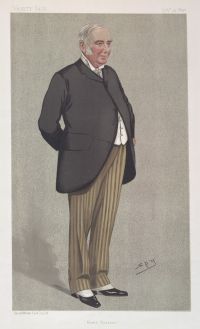
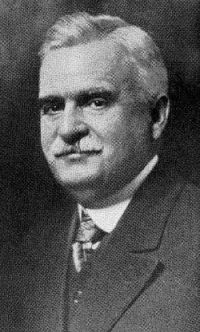
Portrait of Cecil Torr Cecil Torr,  Small Talk at Wreyland. Second Series

“ On the London and Exeter coaches the tips came to about a quarter of the fare: one to the guard, three to the drivers—drivers being changed at the supper and breakfast stops—and two to the ostlers at each end. On the 14 July 1839 my father writes to my grandfather that railway fares are comparatively low and no ‘fees,’ that is, tips: also that the ‘first rate’ carriages are good.
My father notes in his diary, 3 May 1840—“Yesterday in London I could scarcely get credited when I said that twenty-four hours previously I was in Brussels. Having steam the whole way, it is a very quick journey.”
”
Source: Gutenberg

active 1825 James Drake,  Drake's Road Book of the Grand Junction Railway

“ N.B.—The Mixed Trains also take up and set down Passengers to or from any part of the Grand Junction Railway, at all the usual Stopping Places on the Liverpool and Manchester Railway.—An allowance is included in the above Tables of five minutes for all the Trains at the principal Stations, and of three minutes for the Mixed Trains, at the intermediate stopping places.—No Fare is less than One Shilling by the principal Trains.—The Fare between the intermediate Stopping Places is at the rate of about 21⁄2d. ”
Source: Gutenberg

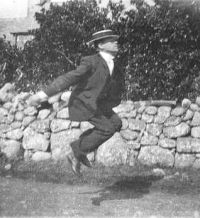
Portrait of Thomas Curtis Clarke Thomas Curtis Clarke,  The American Railway: Its Construction…

“ It is always hungry, and the daily bill of fare (which includes pretty much everything known to trade) is gone through with an appetite as vigorous and healthy at the end as it exhibits in the beginning. Yet how few there are who realize the important part this one feature plays in the operation of the thousands of miles of railroad throughout the world! ”
Source: Gutenberg

Get perspective with Kwize: daily news enlightened by great literature