Railway stock

Definition and stakes

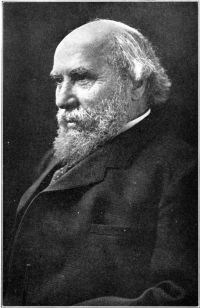
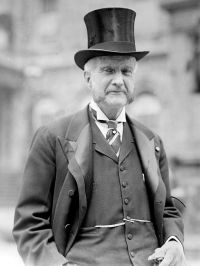
Portrait of Edwin A. Pratt Edwin A. Pratt,  A History of Inland Transport and Communication in England… (1912)

“ There are those who regard railway shareholders as "capitalists," and consider that the keeping of railway dividends at a low level, together with any depreciation in the value of railway stock that may result therefrom, are matters only likely to affect a comparatively few wealthy men, and not, therefore, of material concern to the country so long as the railways give the best possible service at the lowest possible rates. ”
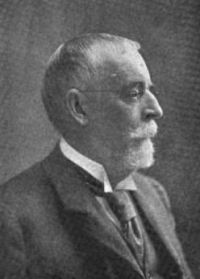
Source: Wikisource

The Railway Library, 1909

“ No one can possibly be more interested in the prosperity of the railroads than the railroad employes. From every dollar earned by the railroad forty-two cents go directly to pay wages of railway employes, while only twenty-one cents, or one-half that amount, go to pay interest and dividends. In no other country in the world does the railroad employe get so large a share and the security holder so little. Why should not the man who invests his money in railroad stock receive as much return in shape of dividends as the man who invests his in a farm or factory? ”
Source: Gutenberg

Arthur Crump,  The Theory of Stock Exchange Speculation

“ As regards some stocks, there will be no need to make a special study of causes which affect the dividend; but this is not the case with railway stocks. A speculator in railway stocks must watch the course of trade, the colonial produce, the Manchester and Liverpool markets, and note the character of the business doing in the great staples of Industry. Upon the profitable nature of these trades depend very much the traffic receipts of railways. ”
Source: Gutenberg

Get perspective with Kwize: daily news enlightened by great literature