Religious mysticism

Definition and stakes

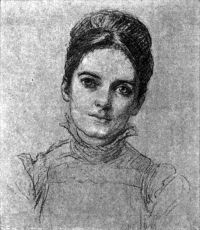
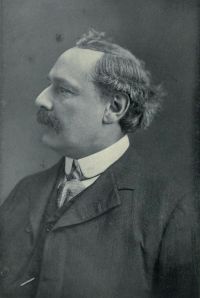
Portrait of William Ralph Inge William Ralph Inge,  Christian Mysticism

“ Mysticism arises when we try to bring this higher consciousness into relation with the other contents of our minds. Religious Mysticism may be defined as the attempt to realise the presence of the living God in the soul and in nature, or, more generally, as the attempt to realise, in thought and feeling, the immanence of the temporal in the eternal, and of the eternal in the temporal. Our consciousness of the beyond is, I say, the raw material of all religion. ”
Source: Gutenberg

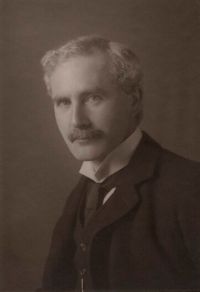
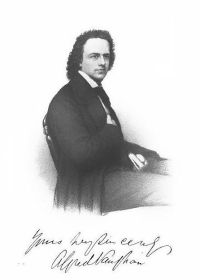
Portrait of Robert Alfred Vaughan Robert Alfred Vaughan,  Hours with the Mystics: A Contribution to the History of Religious Opinion (1893)

“ Escaping that monastic dualism which abandoned the world to Satan, mysticism will now dispute the empire of the prince of this world. Inspired from above, and haply not unaided by angelic ministries, the master of the hidden wisdom will devoutly elicit the benign potencies of the universe, and repel the malevolent. No longer a mere contemplatist—gazing up at the heights of the divine nature, or down into the depth of the human—the mystic of the new age will sweep, with all-piercing vision, the whole horizon of things visible. ”
Source: Gutenberg

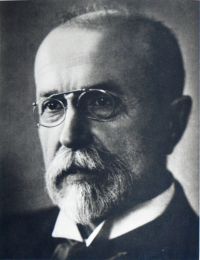
Portrait of Robert Alfred Vaughan Robert Alfred Vaughan,  Hours with the Mystics: A Contribution to the History of Religious Opinion (1893)

“ To the contemplative mystic the three heavenly sisters brought a cloud of glory; for the theosophist they unclasped nature’s ‘infinite book of secrecy;’ in the hand of the theurgist they placed an enchanter’s wand.
The sphere of mysticism was not thus extended by any expansive force of its own. The spirit of a new and healthier age had ventured to depreciate the morbid seclusion of the cloister. Men began to feel that it was at once more manly and more divine to enquire and to know than to gaze and dream.
”
Source: Gutenberg

Get perspective with Kwize: daily news enlightened by great literature