Rice wine

Definition and stakes

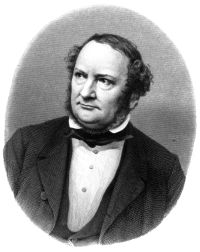
Portrait of Georg Gottfried Gervinus Georg Gottfried Gervinus,  The Art of Drinking: A Historical Sketch

“ The Chinese always have had their grain-wines and their brandy more at heart. The inventor of the rice-wine was, it is true, banished by the Emperor Yu-te, because he well foresaw the sad consequences of its use, and yet the beverage has kept its place to the present day as an ornament of the Chinese table. It is like this people, who live on nothing but that water-plant, rice, and tea, to cling with the same obstinacy as they do to all old orders and customs, to this beverage, which is something between brandy and water, and taken neither hot nor cold. ”
Source: Gutenberg

Marco Polo,  The Travels of Marco Polo — Volume 1

“ Most of the people of Cathay drink wine of the kind that I shall now describe. It is a liquor which they brew of rice with a quantity of excellent spice, in such fashion that it makes better drink than any other kind of wine; it is not only good, but clear and pleasing to the eye.{1} And being very hot stuff, it makes one drunk sooner than any other wine.
Note 1.—The mode of making Chinese rice-wine is described in Amyot’s Mémoires, V. 468 seqq. A kind of yeast is employed, with which is often mixed a flour prepared from fragrant herbs, almonds, pine-seeds, dried fruits, etc.
”
Source: Gutenberg

Portrait of Arnold Henry Savage Landor Arnold Henry Savage Landor,  Corea or Cho-sen: The Land of the Morning Calm

“ In its stead they delight in drinking the whitish stuff produced by the rice when it has been boiled in water, or as an alternative, infusions of ginsang. They also brew at home two or three different kinds of liquor of different strengths and tastes, by fermenting barley, rice and millet. The beer of fermented rice is not at all disagreeable, and their light wine also is, so far as wines go, even palatable. ”
Source: Gutenberg

Get perspective with Kwize: daily news enlightened by great literature