Sackcloth and ashes

Definition and stakes

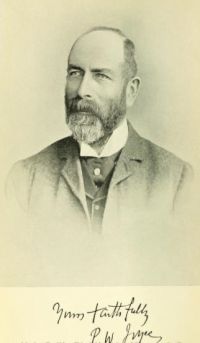
Portrait of Richard Watson Richard Watson,  A Biblical and Theological Dictionary

“ In Judea, the mourner was clothed in sackcloth of hair, and by consequence, 294in sable robes; and penitents, by assuming it, seemed to confess that their guilt exposed them to death. Some of the eastern nations, in modern times, bury in linen; but Chardin informs us, that others still retain the use of sackcloth for that purpose. To sit in sackcloth and ashes, was a frequent expression of mourning in the oriental regions; and persons overwhelmed with grief, and unable to sustain the weight of their calamities, often threw themselves upon the earth, and rolled in the dust ”
Source: Gutenberg

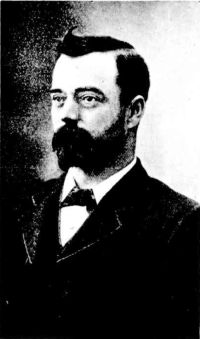
Portrait of William Eleroy Curtis William Eleroy Curtis,  Modern India

“ The body is lifted from the bier and placed upon it, then more wood is piled on and the kindling is lit with a torch. If there is plenty of dry fuel the corpse is reduced to ashes in about two hours. Usually the ashes are claimed by friends, who take them to the nearest temple and after prayers and other ceremonies cast them into the waters of the bay. ”
Source: Gutenberg

Jennie Hall,  Buried Cities: Pompeii, Olympia…

“ So they have mixed plaster and poured it into the hole. They have given it a little time to harden and then have dug away the ashes from around it. In that way they have made a plaster cast just the shape of the hole. And several times when they have uncovered their cast they have found it to be the form of a man or woman or child. Perhaps the person had been hurrying through the street and had stumbled and fallen. The gases had choked him, the ashes had slowly covered him. Under the moistening rain and the pressure of all the hundreds of years the ashes had hardened almost to stone. ”
Source: Gutenberg

Get perspective with Kwize: daily news enlightened by great literature