Saloon keeper

Definition and stakes

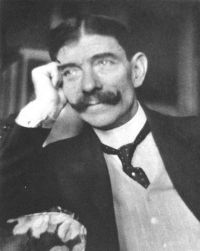
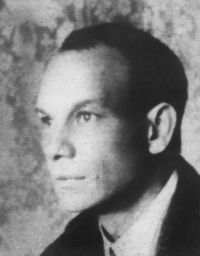
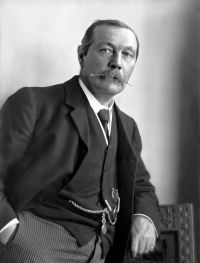
Portrait of Bertrand W. Sinclair Bertrand W. Sinclair,  Wild west (1926)

“ Ordinary business flourishes by day but the busiest and most profitable period of a saloon keeper’s operations is—or was—likely to occur in the middle of the night. Like any other sound merchant a saloon man might be expected to attend his affairs in person during the peak—so Robin expected to find Jim Bond behind his own bar at that hour. ”
Source: Gutenberg

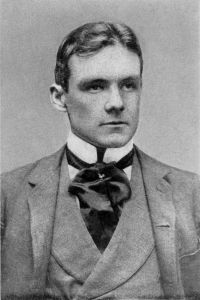
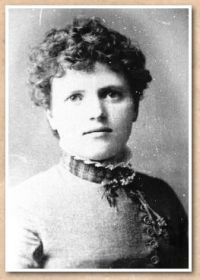
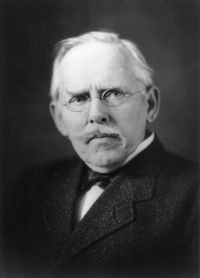
Portrait of Jacob A. Riis Jacob A. Riis,  A Ten Years' War: An Account of the Battle with the Slum in New York

“ The saloon keeper knows the boss, if he is not himself the boss or his lieutenant, and can steer him to the man who will spend all day at the City Hall, if need be, to get a job for a friend, and all night pulling wires to keep him in it, if trouble is brewing. Mr. Beecher used to say, when pleading for bright hymn tunes, that he didn't want the devil to have the monopoly of all the good music in the world. The saloon has had the monopoly up to date of all the cheer in the tenements. ”
Source: Gutenberg

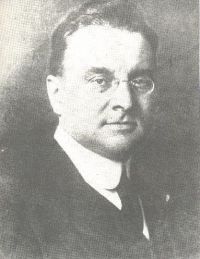
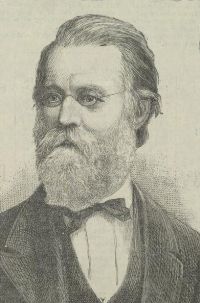
Adolph Keitel,  Government by the Brewers?

“ Is it not a fact that, with few exceptions, the so-called owners of saloons, not operated by brewers themselves, are merely slaves of the brewers, the latter owning either the property or the lease, the license and a chattel mortgage upon the fixtures in the place?
The truth is that a saloon keeper can not exist if his business should be restricted to the sale of beer--and the closing of a saloon means a loss to the brewer.
”
Source: Gutenberg

Get perspective with Kwize: daily news enlightened by great literature