Scalp dance

Definition and stakes

George Catlin,  Adventures of the Ojibbeway and Ioway Indians in England…

“ The scalp dance is generally danced by torch light, at a late hour in the night; and, in all tribes, the women take a conspicuous part in it, by dancing in the circle with the men, holding up the scalps just brought from battle, attached to the top of a pole, or the handle of a lance.
A scalp, to be a genuine one, must have been taken from the head of an enemy, and that enemy dead.
”
Source: Gutenberg

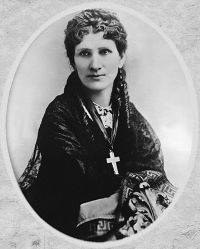
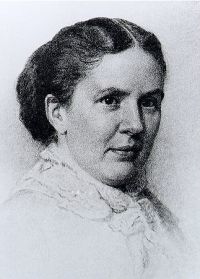
Portrait of Mary H. Eastman Mary H. Eastman,  Dahcotah: Life and Legends of the Sioux Around Fort Snelling

“ After the dance is done, the scalp is buried or put up on the scaffold with some of the deceased of the tribe who took the scalp. So much for the scalp dance—a high religious ceremony, not, as some suppose, a mere amusement.
The Sacred Feast is given in honor of the sacred medicine, and is always given by medicine-men or women who are initiated into the mysteries of the medicine dance. The medicine men are invariably the greatest rascals of the band, yet the utmost respect is shown them. Every one fears the power of a medicine man.
”
Source: Gutenberg

Mary Austin,  The Trail Book

“ The scalp was taken in order that they might have the scalp dance. The dance is to pacify the spirit of the slain. It adopts and initiates him into the tribe of the dead, and makes him one with them, so that he will not return as a spirit and work harm on his slayers. Also it is a notice to the gods of the enemy that theirs is the stronger god, and to beware. ”
Source: Gutenberg

Get perspective with Kwize: daily news enlightened by great literature