Self-abnegation

Definition and stakes

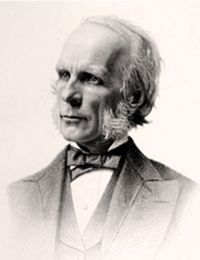
Portrait of Helen H. Gardener Helen H. Gardener,  Facts and Fictions of Life

“ Self-abnegation, subserviency to man—whether he be father, lover, or husband—is the most dangerous that can be taught to, or forced upon her, whose character shall mould the next generation! She has no right to transmit a nature and a character that is subservient, subject, inefficient, undeveloped—in short, a slavish character, which is either blindly obedient or blindly rebellious and is therefore set, as is a time-lock, to prey or to be preyed upon by society in the future! ”
Source: Gutenberg

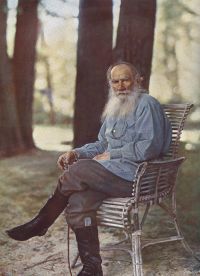
Portrait of Leo Tolstoy Leo Tolstoy,  The Complete Works of Lyof N. Tolstoï (1899)

“ But is it not true that, looking at the matter objectively—as a problem outside ourselves—we can imagine no position in which one would be justified in stopping and refusing to go farther along the path of self-abnegation? Judged by the demands of love we are all sinners, even the best must say: "Why callest thou me good? none is good, save one, even God." ”
Source: Wikisource

Get perspective with Kwize: daily news enlightened by great literature