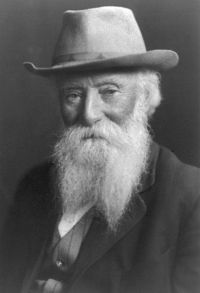
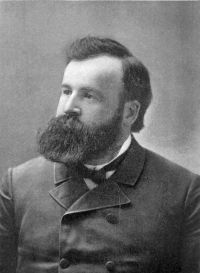
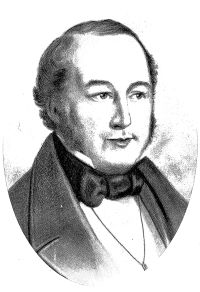
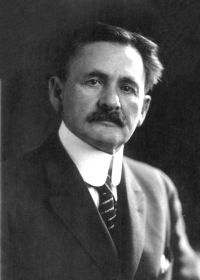
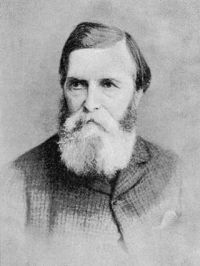
A spring, as a mechanical device, refers to an elastic object that stores and releases energy through deformation, serving as a fundamental component in machinery, timekeeping, and engineering. Authors have explored this theme through diverse lenses: James Richardson describes its geological formation, while Dorothy M. Richardson evokes its symbolic resonance with renewal and introspection.
Robert Stawell Ball contrasts its astronomical insignificance with its terrestrial vitality, and C. J. Cornish frames it as a paradox of constancy and transformation. These varied perspectives underscore the spring’s dual role as both a practical mechanism and a metaphor for life’s cyclical forces, bridging science, nature, and human experience.
 James Richardson,
Wonders of the Yellowstone