
Stem (plant)

Definition and stakes

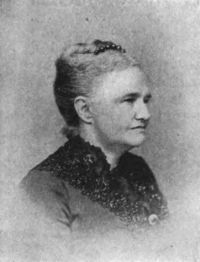
Portrait of Frances Theodora Parsons Frances Theodora Parsons,  Plants and their children (1896)

“ STEMS AND SEED LEAVES The smaller plants usually have green stems. The larger ones have brown, woody stems, such as you see in bushes and trees; for the trunk of the biggest tree in the world is nothing but a great stem.
The delicate green stems die down to the ground during the cold winter. Sometimes the whole plant [Pg 120] dies, the root below as well as the stem above ground. But often the root (or what we usually call the root) lives, and sends up a fresh stem the next year.
”
Source: Gutenberg

Portrait of Olive Thorne Miller Olive Thorne Miller,  A Bird-Lover in the West

“ Opposite each other, making a cross, are four leaves, like a carnation leaf at first, but broadening and lengthening till it is two inches at the base and eight or ten long. Rising out of the axil of each leaf are buds, of graduated size and development up to the open [Pg 55] blossom. That one stem, therefore, is prepared to open fresh flowers every day for a long time.
The plant is exquisitely beautiful, for the whole thing, from the stem to the flower petals, is of a delicate, light pea-green. The blossom opens like a star, with four stamens and four petals.
”
Source: Gutenberg

W. Robinson,  The Subtropical Garden; or, beauty of form in the flower garden

“ In this country it is seldom seen more than 10 ft. high. The stem is tree-like, simple or divided at the top, and often, when old, becoming{127} much branched, each branch terminated by a crowded head of lanceolate-linear entire leaves of a glaucous green colour. The flowers form a large terminal panicle, and are individually small and of a greenish-white colour. This plant is more graceful and effective when in a young state, in which it usually occurs in our gardens, than when old and branched. ”
Source: Gutenberg

Get perspective with Kwize: daily news enlightened by great literature