Still life, an artistic genre portraying inanimate objects such as food, flowers, or everyday items, has evolved from ancient symbolic depictions to a revered form of creative expression. Emerging in Greco-Roman and medieval art, it became a recognized category in the 16th century, highlighting realism, symbolism, and compositional flexibility.
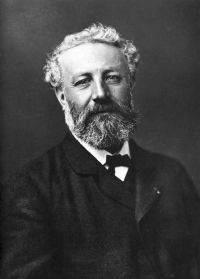
Though primarily visual, the idea of "still life" finds metaphorical resonance in literature, where writers like Charlotte Brontë and Jules Verne meditate on the quiet endurance of existence—Brontë illustrating life's tenacity in the face of suffering, and Verne pondering the delicate continuity of survival. These literary parallels emphasize how still life, whether painted or written, conveys the tension between impermanence and endurance, between the silent placement of objects and the profound human stories they inspire.
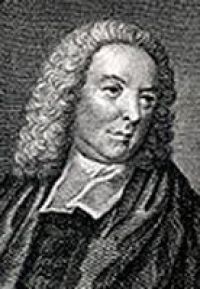 Edward Young,
Resignation
(1762)
Edward Young,
Resignation
(1762)