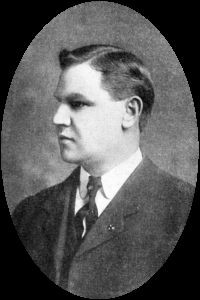
Strike action, a collective labor strategy involving the withdrawal of workers' services, has been examined through various frameworks by thinkers such as Jean Jaurès, who viewed it as a means of legal pressure for social change, and Voltairine De Cleyre, who focused on its function as a direct confrontation between labor and capital. William Z.
Foster analyzed its strategic aspects, balancing spontaneity with structured organization, while John Graham Brooks pointed out its capacity to disrupt production on a national level. These viewpoints together highlight strike action as both a mechanism for solidarity and a driver of systemic challenges, illustrating its dual role in labor conflicts and societal evolution.
 Jean Jaurès,
Studies in Socialism — XIII. The Question of Method
(1906)