Sweet potato

Definition and stakes

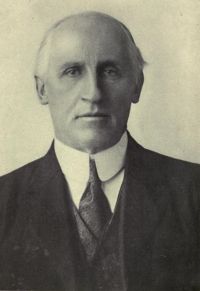
Portrait of Henry T. Finck Henry T. Finck,  Food and Flavor: A Gastronomic Guide to Health and Good Living

“ Sweet potatoes also are of American origin. They have been slow in making headway in Europe because they do not, like the white potato, grow in almost any soil and climate. Farmers' Bulletin No. 324 is devoted to sweet potatoes. Its author, W. R. Beattie, of the Bureau of Plant Industry, remarks that "as a commercial truck crop the sweet potato would be included among the five of greatest importance, ranking perhaps about third in the list. As a food for the great mass of the people living in the warmer portions of our country the use of this crop is exceeded by hominy and rice only." ”
Source: Gutenberg

The New Student's Reference Work (1914)

“ The sweet potato is rich in food-constituents (sugar and starch) , the extent of its cultivation in this country being annually about 50 million bushels. Besides their use, cooked or canned, for the table the sweet potato is also fed to farm-animals; it is grown best in sandy or loose soils, and is a staple crop in the south. ”
Source: Wikisource

Huron H. Smith,  Ethnobotany of the Ojibwe Indians

“ They are pure white inside, sweet and quite starchy. The Indian does not differentiate between this species and the Broad-leaved Arrowhead. For winter use, the potato is boiled, then sliced and strung on a piece of basswood bark fiber and hung up overhead for storage. They also use the fresh corms, cooking them with deer meat, and maple sugar. Some of the potatoes are kept over after cooking and the maple sugar is thickened until they might almost be called candied sweet potatoes. ”
Source: Gutenberg

Get perspective with Kwize: daily news enlightened by great literature