Tea kettle

Definition and stakes

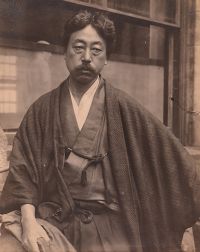
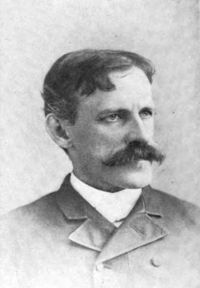
Portrait of William Elliot Griffis William Elliot Griffis,  Japanese Fairy World

“ Then at a wave of his fan, the kettle ran around on four legs, half badger and half iron, clanking its lid and wagging its tail. Next it turned into a badger, swelled out its body and beat a tune on it like a drum. It danced a jig on the tight rope, and walked the slack rope, holding a fan, or an umbrella in his paw, stood on his head, and finally at a flourish of his master's fan became a cold and rusty tea-kettle again. The audience were wild with delight, and as the fame of the wonderful tea-kettle spread, many people came from great distances. ”
Source: Gutenberg

Fred. W. Burgess,  Chats on Household Curios

“ Simple contrivances of metal followed, the suspension hooks and chains leading to improved cranes with rack and loop handles.
No doubt many have noticed the apparent indiscriminate use of the term "kettle"; the tea kettle as we understand it to-day is a modern invention. The old kettle was a boiling pot with a bail handle, its modern survivor being the three-legged kettle of the gipsies, and the boiling pot or fish kettle of the modern household.
”
Source: Gutenberg

Helen Campbell,  Six Cups of Coffee

“ Water, in boiling, loses the air or gases which give it a fresh taste and sparkling appearance. It should be used as soon as boiled, or it becomes flat and tasteless. A brown substance is deposited on the inside of the kettle, and this, if allowed to accumulate, imparts an unpleasant taste to the water; yet there are many housekeepers, exquisitely neat in many ways, who seldom wash the inside of a tea-kettle. It is an excellent plan to keep a small kettle to be used only in boiling water for tea or coffee. ”
Source: Gutenberg

Get perspective with Kwize: daily news enlightened by great literature