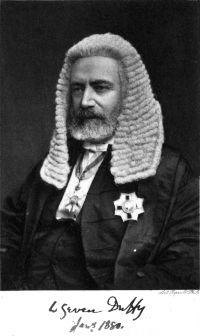
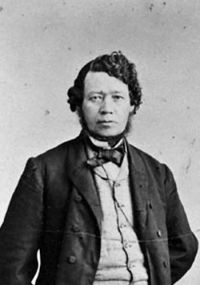
 Thomas D'Arcy McGee,
A Popular History of Ireland : from the Earliest Period to the Emancipation of the Catholics…
“ The stranger coming in under such an arrangement, held by a special tenure, yet if he remained during the time of three lords he became thereby naturalized. If the unnaturalized tenant withdrew of his own will from the land he was obliged to leave all his improvements behind; but if he was ejected he was entitled to get their full value. Those who were immediate tenants of the chief, or of the church, were debarred this privilege of tenant-right, and if unable to keep their holdings were obliged to surrender them unreservedly to the church or the chief. ”