Tenancy

Definition and stakes

Alexander Wood Renton,  1911 Encyclopædia Britannica (1911)

“ This form of tenancy, like tenancy from year to year, may be treated either by express contract or by implication, as where premises are occupied with the consent of the owner, but without any express or implied agreement as to the duration of the tenancy, or where a house is lent rent free by one person to another. A tenancy at will is determined by either party alienating his interest as soon as such alienation comes to the knowledge of the other. ”

Source: Wikisource

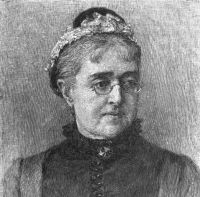
Portrait of Isabella Beeton Isabella Beeton,  Mrs. Beeton's Book of Household Management (1907)

“ In many cases the parties may be prepared to act upon and abide by such agreement, but strictly speaking, if no application to the Court be made for its specific performance, or for some reason or other such application is not granted, there will only be a tenancy at will if the tenant has merely entered into possession, or a tenancy from year to year, if rent has been paid. ”
Source: Wikisource

Alexander Wood Renton,  1911 Encyclopædia Britannica (1911)

“ The absolute and ultimate owner of all land is the crown, and the highest interest that a subject can hold therein—viz. an estate in fee simple—is only a tenancy. But this aspect of the law, under which the landlord, other than the crown, is himself always a tenant, falls beyond the scope of the present article, which is restricted to those holdings that arise from the hiring and leasing of land.
The legal relationship of landlord and tenant is constituted by a lease, or an agreement for a lease, by assignment, by attornment and by estoppel. And first of a lease and an agreement for a lease.
”
Source: Wikisource

Get perspective with Kwize: daily news enlightened by great literature