Town council

Definition and stakes

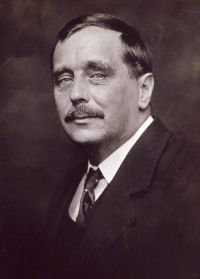
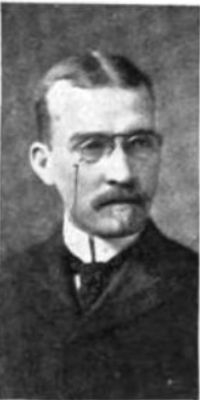
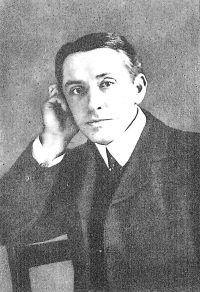
Portrait of J. S. Fletcher J. S. Fletcher,  Timeworn Town (Munsey's Magazine… (1923)

“ Why do you suppose men went into the town council? To represent the taxpayers, the townspeople? No, but to look after their own interests; to safeguard themselves; to get what they could out of it. The whole policy of the old councils was one of—there's only one word for it, Mr. Brent, and that's only just becoming Anglicized—graft! A municipal government is supposed to exist for the good, the welfare, the protection of a town, but the whole idea of these Hathelsborough men, in the past, has been to use their powers and privileges for their own ends. ”
Source: Wikisource

Mary Bateson and William Charles Smith,  1911 Encyclopædia Britannica, Volume 4… (1911)

“ In all the municipal corporations dealt with by the act, the town council was to consist of a mayor, aldermen and councillors, and the councils were given like powers, being divided into those with and those without a commission of the peace. The minutes were to be open to the inspection of any burgess, and an audit of accounts was required. The exclusive rights of retail trading, which in some towns were restricted to freemen of the borough, were abolished. The system of police, which in some places was still medieval in character, was placed under the control of the council. ”
Source: Wikisource

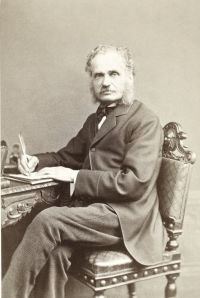
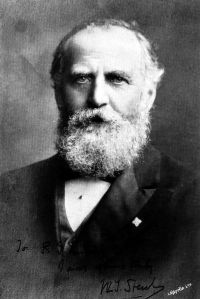
Portrait of John Stuart Mill John Stuart Mill,  Considerations on Representative Government (1861)

“ There are local interests peculiar to every town, whether great or small, and common to all its inhabitants; every town, therefore, without distinction of size, ought to have its municipal council. It is equally obvious that every town ought to have but one. The different quarters of the same town have seldom or never any material diversities of local interest; they all require to have the same things done, the same expenses incurred; and, except as to their churches, which it is probably desirable to leave under simply parochial management, the same arrangements may be made to serve for all. ”
Source: Gutenberg

Get perspective with Kwize: daily news enlightened by great literature