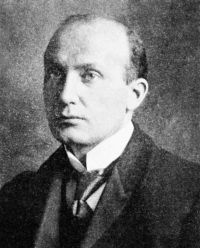
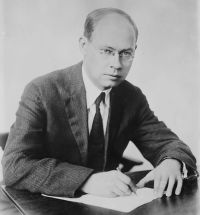
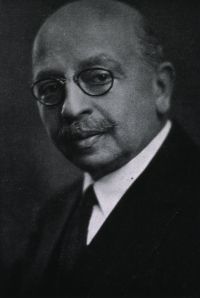
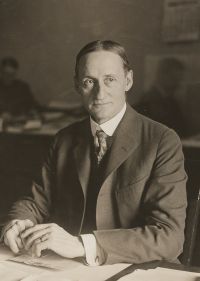
Typewriting, the mechanical reproduction of text through keyboard-operated devices, emerged as a pivotal innovation in communication and record-keeping. Authors such as Harry Lyman Koopman examined its connection to print, focusing on its clarity and typographic heritage, while Arthur B. Reeve emphasized its uniqueness, comparing typewritten signatures to distinct human characteristics.
Robert Sessions Woodworth investigated its psychological aspects, demonstrating how learners shift from methodical, letter-by-letter typing to smooth, instinctive word formation. Meanwhile, texts like Silver Links highlighted its compatibility with shorthand, portraying it as a medium linking human thought with technical accuracy. These viewpoints collectively reveal typewriting as both a functional invention and a reflection of cognitive and personal expression.