“ Methods of handling oil color may be reduced to two general classes: (a) the paint is used thin, as a wash, on a prepared canvas, or (b) it is put on in thick opaque touches. In either case the aim is the same—to paint for depth, vibration, illusion of light and color. If brush strokes are to be left intact, each of them must have shape and meaning,—that is, line; if color is put on in a thin wash, then its value, gradation, hue and texture are the main points,—and these belong to structural harmony. Mural painting is the highest form of the art, demanding perfect mastery of Composition. ”
Quotes about “underpainting”

“ But many schools of art affect for the most part one kind of texture only, and a vast quantity of the art of all ages depends for great part of its power on texture produced by multitudinous lines. Thus, wood engraving, line engraving properly so called, and countless varieties of sculpture, metal work, and textile fabric, depend for great part of the effect, for the mystery, softness, and clearness of their colours, or shades, on modification of the surfaces by lines or threads. Even in advanced oil painting, the work often depends for some part of its effect on the texture of the canvas. ”
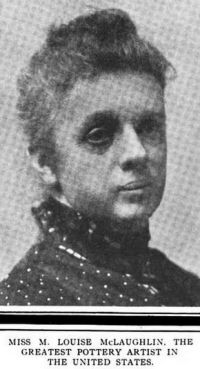 M. Louise McLaughlin,
Pottery decoration under the glaze
(1880)
“ The process of glazing has a tendency to soften and melt the tints into each other, but this effect must be enhanced by judicious use of the middle tints and shadows of the painting, and by leaving the edges thin. One of the greatest beauties of this kind of painting, when well done, is the effect of the rich colors melting into each other, with a charming indistinctness, which leaves something to the imagination of the beholder.Those who have not been accustomed to the use of color in such masses, will, perhaps, be embarrassed at first by the difficulty of painting with clay. ”