Tempera is a traditional painting medium in which pigments are bound with a water-soluble binder, such as egg yolk, known for its durability and vivid color retention. Historically used in ancient Egypt, Byzantine art, and Medieval Europe, it was eventually replaced by oil paint after the 15th century. Nevertheless, tempera saw revivals in the 19th and 20th centuries, favored by artists such as the Pre-Raphaelites and modern creators.
As M. Digby Wyatt observed, tempera continues to be a viable option alongside oil, turpentine, and fresco, highlighting its versatility. Its lasting appeal stems from its quick drying time, matte appearance, and ability to resist color fading, making it a link between ancient methods and modern artistic practice.
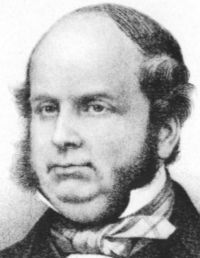 Henry Thomas Buckle,
History of Civilization in England…
Henry Thomas Buckle,
History of Civilization in England…