Wagon (vehicle)

Definition and stakes

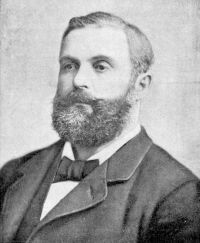
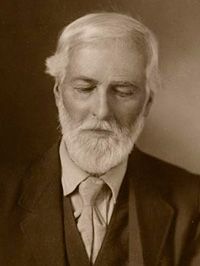
Portrait of John Greenleaf Whittier John Greenleaf Whittier,  My Summer with Dr. Singletary

“ The wagon, too, in which at least two generations of boys and girls have ridden in noisy hilarity whenever they encountered it on their way to school, has been so smartly painted and varnished, that if its former owner could look down from the hill-slope where he lies, he would scarcely know his once familiar vehicle as it whirls glittering along the main road to the village. ”
Source: Gutenberg

Various,  The Cornhill Magazine (vol. XLII, no… (1860)

“ The column carried no lights, and as the night shut down the road under the horses’ feet became almost invisible to the eyes of the drivers sitting on their horses or box seats. Each lead driver had to be content to follow close on the tracks of the wagon in front of him, to hold his tired horses up when they stumbled, to halt them quickly when the wagon ahead halted, to move them on again instantly on the other vehicle starting. ”
Source: Gutenberg

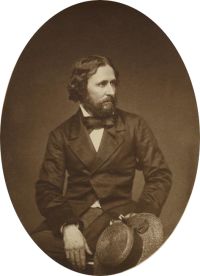
Portrait of John Charles Frémont John Charles Frémont,  The Exploring Expedition to the Rocky Mountains…

“ Answer--The lightest wagon that can be constructed of sufficient strength to carry 2,500 pounds weight, as the vehicle most desirable. No wagon should be loaded over this weight, for if it is, it will be certain to stall in the muddy sloughs and crossings on the prairie in the first part of the journey. This wagon can be hauled by three or four yokes of oxen or six mules. Oxen are usually employed by the immigrants for hauling their wagons. They travel about fifteen miles per day, and all things considered, are perhaps equal to mules for this service, although they cannot travel so fast. ”
Source: Gutenberg

Get perspective with Kwize: daily news enlightened by great literature