Water bath

Definition and stakes

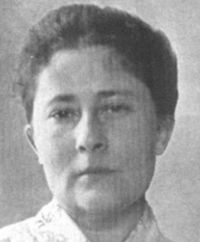
Portrait of Augusta de Wit Augusta de Wit,  Java, Facts and Fancies

“ The marble floor and whitewashed walls breathe freshness, the water in the stone reservoir is limpid and cold as that of a pool that gleams in rocky hollows. And, as the bather dips in his bucket, and send the frigid stream pouring over him, he washes away, not heat and dust alone, but weariness and vexatious thought in a purification of both body and soul, and he understands why all Eastern creeds have exalted the bath into a religious observance. ”
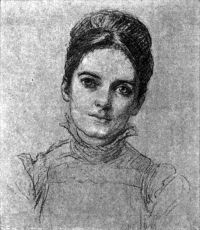
Source: Gutenberg

James Johnson,  Pilgrimages to the Spas in Pursuit of Health and Recreation

“ There was one drawback on the mud-bath, or peat-poultice. We cannot roll about, like a porpoise or whale, as in the water-bath, without considerable effort, so dense is the medium in which we lie; but I found that I could use friction to all parts of the body, with great ease, in consequence of the unctuous and lubricating quality of the bath. After twenty minutes’ immersion, I felt an excitement of the surface, quite different from that of the common mineral warm baths—even of those of Wisbaden, Kissengen, or Schwalbach—attended, as I fancied, by elevation of spirits. ”
Source: Gutenberg

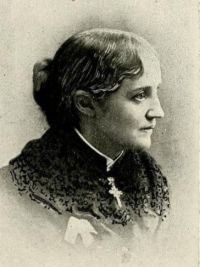
Portrait of A. Mary F. Robinson A. Mary F. Robinson,  The fields of France (1905)

“ The bath-room, with its warm pipes, its great wooden tubs, with the carved gilt garlands round them, its lounges for cooling, its little tables spread with a dainty supper, still preserved a souvenir of Roman luxury. People used to bathe in company, sometimes men and women together (as we still do at the sea-side) , their heads beautifully dressed and adorned with flowers, their bodies hidden up to the neck in their great cask-like baths, where the water was often thickened with scented bran or strewn with a dust of salutary herbs. ”
Source: Gutenberg

Get perspective with Kwize: daily news enlightened by great literature