Water wagon

Definition and stakes

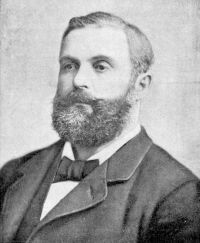
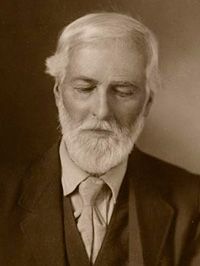
Arthur J. Burdick,  The Mystic Mid-Region: The Deserts of the Southwest

“ They are fitted with tires eight inches wide and an inch thick, and an empty wagon weighs seventy-eight hundred pounds. In addition to this combined weight of wagon and load, amounting to about fourteen tons, is the trailer, as is called the water wagon, which it is necessary to attach to the train in order that man and beast may not perish of thirst on the journey. Altogether, the plucky teams have to haul through the yielding sands about twenty tons—nearly or quite one ton to the beast. ”

Source: Gutenberg

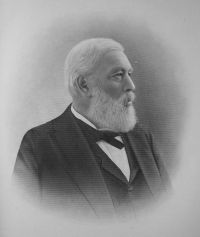
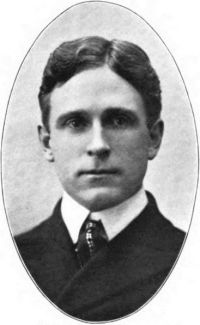
Portrait of Metta Victoria Fuller Victor Metta Victoria Fuller Victor,  Nat Wolfe; or, The gold hunters… (1872)

“ There was a stout wagon, drawn by three pairs of lean oxen at a slow and lumbering pace—probably the last wagon of a train, as it was seldom that a family ventured upon crossing the plains alone. If so, the train was out of sight along the track, which here becomes less monotonous, winding among the bluffs and along the shallow bed of a river, in which, at present, no water was visible. ”
Source: Gutenberg

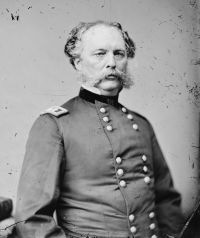
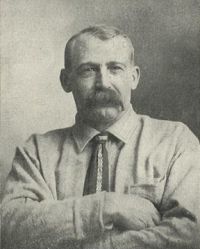
Portrait of Thomas Wallace Knox Thomas Wallace Knox,  How to Travel

“ Wagons should be as light as possible, consistent with strength, and the wood should be perfectly seasoned, in order to resist the effects of the changes of the atmosphere. The wagon-body should be water-tight, so that it will preserve its contents when fording streams, and it can also be used as a boat where a river is too deep to be forded. ”
Source: Gutenberg

Get perspective with Kwize: daily news enlightened by great literature