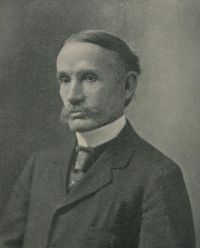
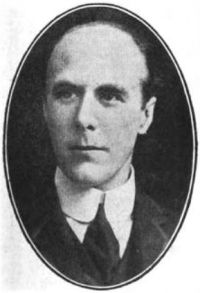
The workforce includes all individuals currently employed or seeking employment, serving as the foundation of economic systems. Economists such as John Bates Clark examined how labor organization affects wages, while the Industrial Workers of the World stressed solidarity, viewing labor as a shared right. Vincent Saint John imagined workers' organizations evolving to meet industrial demands, and Austin Lewis emphasized the need to incorporate a wide range of labor roles, from clerks to unskilled workers.
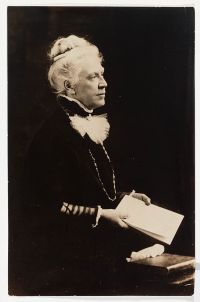
Alice Henry stressed the importance of unions in providing practical education for workers, and Harriet Beecher Stowe observed the mutual advantages of fair employer-employee relationships. Together, these viewpoints illustrate the workforce as a complex interaction of economic need, social fairness, and structural development.
 Barack Obama,
Barack Obama's Sixth State of the Union Address
(2014)
Barack Obama,
Barack Obama's Sixth State of the Union Address
(2014)