Working-class movement

Definition and stakes

Portrait of William Z. Foster William Z. Foster,  The Bankruptcy of the American Labor Movement (1922)

“ In all other important countries, particularly in Europe, Organized Labor has awakened to the revolutionary character of the working class movement. It has come to acquire a revolutionary point of view regarding private property, the State, the wage system, the class struggle, and capitalist society generally. It knows that the wrestlings between the workers and the capitalists are but so many incidents of a revolutionary struggle in which either side seizes from the other all that it has the power and intelligence to take. ”
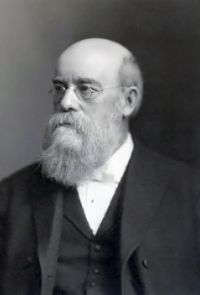
Source: Wikisource

Solomon Abramovich Lozovsky,  The World's Trade Union Movement (1924)

“ The harmfulness of these organizations is very clear, but why are there certain kinds of workers who join them? This is, first of all, because the working class is not all of one kind, is not homogeneous. It is not sufficiently united. It is in different stages of development: It is partly connected to the petty bourgeoisie, partly with the peasantry and the individual producers. The culture of the present society—the universities, schools, literature—all influences the working class which is a participant in this society. ”
Source: Wikisource

Get perspective with Kwize: daily news enlightened by great literature