Working men's club

Definition and stakes

Charles Thomas Browne,  Once a Week (1863)

“ WORKING MEN’S CLUBS.
The aristocracy and gentlemen of England are no longer to hold a monopoly in that hitherto unique institution—a West End Club. For the future, the working man is to enjoy this luxury: he is to share with the nobleman, the prelate, the officer, and the professional, his own well-arranged, well-ventilated, comfortable house of call. Everywhere, throughout the kingdom, establishments are being formed, self-supporting, where the members can retire at any hour of the day to rest, to read, or to refresh the inner man.
”
Source: Wikisource

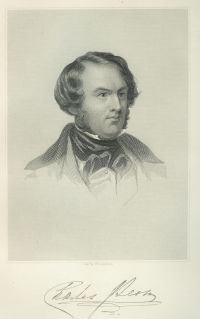
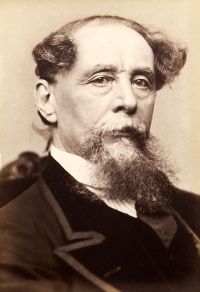
Portrait of Charles Dickens Charles Dickens,  The Uncommercial Traveller

“ Gentlemen’s clubs were once maintained for purposes of savage party warfare; working men’s clubs of the same day assumed the same character. Gentlemen’s clubs became places of quiet inoffensive recreation; working men’s clubs began to follow suit. If working men have seemed rather slow to appreciate advantages of combination which have saved the pockets of gentlemen, and enhanced their comforts, it is because working men could scarcely, for want of capital, originate such combinations without help ”
Source: Gutenberg

Portrait of Auguste Comte Auguste Comte,  A General View of Positivism

“ Working men’s clubs
Working men, whether as individuals or, what is still more important, collectively, are now at liberty to criticize all the details, and even the general principles, of the social system under which they live; affecting, as it necessarily does, themselves more nearly than any other class. The remarkable eagerness lately shown by our people to form clubs, though there was no special motive for it, and no very marked enthusiasm, was a proof that the checks which had previously prevented this tendency from showing itself were quite unsuited to our times.
”
Source: Gutenberg

Get perspective with Kwize: daily news enlightened by great literature