Summary

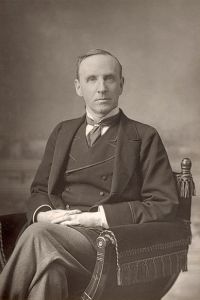
Portrait of John Morley John Morley Critical Miscellanies, Vol. 1, Essay 5…

Again to make a use which is not uninstructive of the old tongue, Emerson is for faith before works. Nature, he says, will not have us fret and fume. She does not like our benevolences, our churches, our pauper-societies, much better than she likes our frauds and wars. They are but so many yokes to the neck. Our painful labours are unnecessary and fruitless. A higher law than that of our will regulates events. If we look wider, things are all alike: laws and creeds and modes of living are a travesty of truth.
Source: Gutenberg

Portrait of John Morley John Morley Critical Miscellanies, Vol. 1, Essay 5…

Emerson himself was too sane ever to fall into the hermit's trap of banishment to the rocks and echoes. 'Solitude,' he said, 'is impracticable, and society fatal.' He steered his way as best he could between these two irreconcilable necessities. He had, as we have seen, the good sense to make for himself a calling which brought him into healthy contact with bodies of men, and made it essential that he should have his listeners in some degree in his mind, even when they were not actually present to the eye.
Source: Gutenberg

Portrait of John Morley John Morley Critical Miscellanies, Vol. 1, Essay 5…

The world hardens, narrows, desiccates common natures, but nothing so enriches generous ones. For knowledge of the heart of man, we must go to those who were closer to the passions and interests of actual and varied life than Emerson ever could have been—to Horace, Montaigne, La Bruyère, Swift, Molière, even to Pope. If a hostile critic were to say that Emerson looked at life too much from the outside, as the clergyman is apt to do, we should condemn such a remark as a disparagement, but we should understand what it is in Emerson that the critic means.
Source: Gutenberg

Get perspective with Kwize: daily news enlightened by great literature