“ Very soon afterward, a messenger came back from the hunting ground, breathless, and with a countenance of extreme concern and terror, bringing the dreadful tidings that Atys was dead. Adrastus himself had killed him. In the ardor of the chase, while the huntsmen had surrounded the boar, and were each intent on his own personal danger while in close combat with such a monster, and all were hurling darts and javelins at their ferocious foe, the spear of Adrastus missed its aim, and entered the body of the unhappy prince. ”
Adrastus
Definition and stakes
Adrastus, a figure from Greek mythology and historical record, emerges as a king, warrior, and tragic character across various literary traditions. Classical writers such as Herodotus portray him as a prince who was exiled after unintentionally killing his brother, while Homer and Dryden depict him as a battlefield victim or a political adversary.
Jacob Abbott and Charles Rollin present him through tales of unintentional murder and familial sorrow, reflecting themes of fate and justice. In tragedies and historical writings, Adrastus represents the conflict between human weakness and divine will, his tale viewed through diverse cultural perspectives ranging from ancient epics to Renaissance drama. This thematic diversity highlights his lasting significance as a symbol of tragic irony and moral intricacy.
Quotes about “Adrastus”
Herodotus, The History of Herodotus (Rawlinson… (1910)
“ And whom, moreover, what man or what woman, hast thou slain?" "Oh! king," replied the Phrygian, "I am the son of Gordias, son of Midas. I am named Adrastus. The man I unintentionally slew was my own brother. For this my father drove me from the land, and I lost all. Then fled I here to thee." "Thou art the offspring," Croesus rejoined, "of a house friendly to mine, and thou art come to friends. Thou shalt want for nothing so long as thou abidest in my dominions. Bear thy misfortune as easily as thou mayest, so will it go best with thee." Thenceforth Adrastus lived in the palace of the king. ”
 Charles Rollin,
The Ancient History of the Egyptians…
Charles Rollin,
The Ancient History of the Egyptians…
“ The king could not refuse him that request, but intrusted him to the care of a discreet young prince, who had taken refuge in his court, and was named Adrastus. And this very Adrastus, as he was aiming his javelin at the boar, unfortunately killed Atys. It is impossible to express either the affliction of the father, when he heard of this fatal accident, or of the unhappy prince, the innocent author of the murder, who expiated his fault with his blood, stabbing himself in the breast with his own sword, upon the funeral pile of the unfortunate Atys. ”
Related terms
Authors who wrote about “Adrastus”
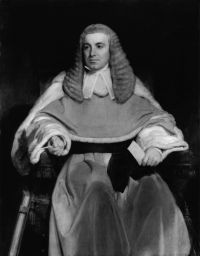 Thomas Noon TalfourdHerodotus
 John Dryden
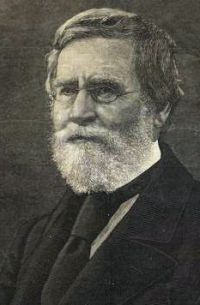 Jacob Abbott
 George GroteStraboAugustus Taber MurrayHarold Edgeworth Butler
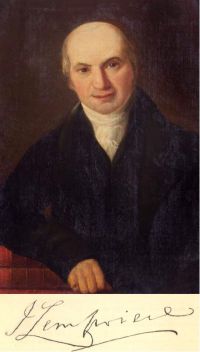 John LemprièreCharles MorrisCharles Rollin
 Homer
Homer George Eliot
 John Addington SymondsH. A. GuerberGilbert Norwood
 Agnes M. ClerkeJ. A. M'Clymont
 George Gordon Byronactive approximately 150-175 Pausanias