Algonquin people

Definition and stakes

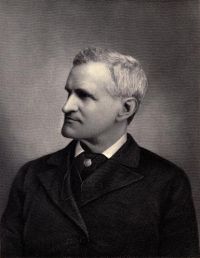
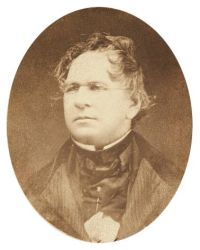
Portrait of Henry Rowe Schoolcraft Henry Rowe Schoolcraft,  The Indian in his Wigwam; Or, Characteristics of the Red Race of America

“ The word Algonquin is still applied to a small local band, at the Lake of Two Mountains, on the Utawas river, near Montreal, but this term, first bestowed by the French, has long been a generic phrase for the entire race, who are identified by the ties of a common original language in the United States and British America.
One of the most curious opinions of this people is their belief in the mysterious and sacred character of fire. They obtain sacred fire, for all national and ecclesiastical purposes, from the flint. Their national pipes are lighted with this fire.
”
Source: Gutenberg

Agnes C. Laut,  Canada: the Empire of the North

“ Behind one barricade of logs lay the French and Algonquins; behind another, the Iroquois; and woe betide the warrior who showed his head or dared to cross the open. All day the warriors kept up their cross fire. Thirteen Algonquins had perished, and the French were only waiting a chance to abandon the voyage. Luckily, that night was pitch-dark. The Algonquin leader blew a long low call through his birch trumpet. All hands rallied and rushed for the boats to cross the river. All the Frenchmen's baggage had been lost. Of the white adventurers every soul turned back but Groseillers and Radisson. ”
Source: Gutenberg

James Athearn Jones,  Traditions of the North American Indians…

“ Our good steed has sped like an arrow through the thicket; our pursuers, my rival, thy father, thy brother, and all thy tribe, lie foiled and fainting far behind us. There is no longer footfall or shout in the wind; the voices of angry men, calling the Algonquin by names he never owned and whose ignominy he may not avenge, have long since expired on our ears like the voice of a dying cloud in the Moon of Thunder. ”
Source: Gutenberg

Get perspective with Kwize: daily news enlightened by great literature